Have you ever wondered how various shirt printing techniques are carried out? A simple t-shirt can be easily customised to reflect your individuality. For both personal and business use, you can modify the printing procedure to suit your needs. These techniques, which rule the market, are used to print t-shirts with pictures.
Techniques including heat transfers, stencilling, and vinyl cutouts are useful for small-scale printing applications. Additional options that might help you find the ideal solution for your brand’s requirements include airbrushing, discharge printing, and indirect screen printing. From the range of options available, you must select the shirt printing technique that best fits your company and target market.
How to Decide Which T-Shirt Printing Method is Best?
Which method of printing t-shirts works best? There are numerous T-shirt printing techniques since they fulfil different needs, but if we had to pick just one and wanted a quick response, we would recommend screen printing (for large quantities). Specific equipment and supplies are needed for each technique. Basic craft items can operate certain techniques, while sophisticated commercial technology is required for others.
This suggests that the initial expenditure on certain printing techniques may be substantial. Additionally, some processes prefer some types of fabric over others, such as cotton over polyester. In conclusion, some printing methods work well for printing a single shirt or two, while others require so much setup time that printing large numbers of shirts at once will yield a far larger return on investment.
Screen Printing
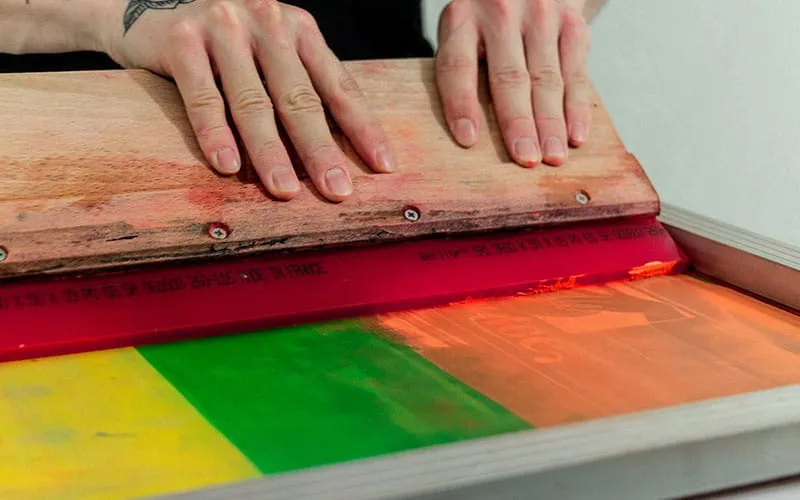
Screen printing is one of the oldest and most popular shirt printing types. It involves pushing ink through a mesh screen onto the fabric, creating durable and vibrant prints. This method is best for bulk orders due to its cost-effectiveness at high volumes. It works well on cotton, polyester, and blended fabrics. However, screen printing has limitations in colour complexity, as each colour requires a separate screen. It’s perfect for bold, solid designs with long-lasting quality.
Many clothing brands prefer screen printing for its professional finish and ability to handle repeated washes without fading. The ability to produce outcomes that are high-quality and reliable is screen printing’s key advantage. You probably have a beloved T-shirt with a screen print on it. Many people believe that screen printing can only use a limited number of colours to create designs. Screen printing can indeed produce intricate and colourful designs; however, a significant amount of technical expertise, experience with artwork separations, and halftones is required.
Pros
- Versatility with various textiles, vibrant, rich colours that are of good quality due to the thick ink, speed (4500+ items per hour for one design)
- A large variety of colour schemes for various effects
- The business can be profitable if it deals with big-batch orders.
Cons
- The lengthy design preparation and customisation process
- Inefficiency for intricate illustrations and lifelike photographs
- Difficulties applying multi-colour illustrations
- Low profitability for small runs
- Restriction on where images may be placed on the surface.
Dye Sublimation Printing
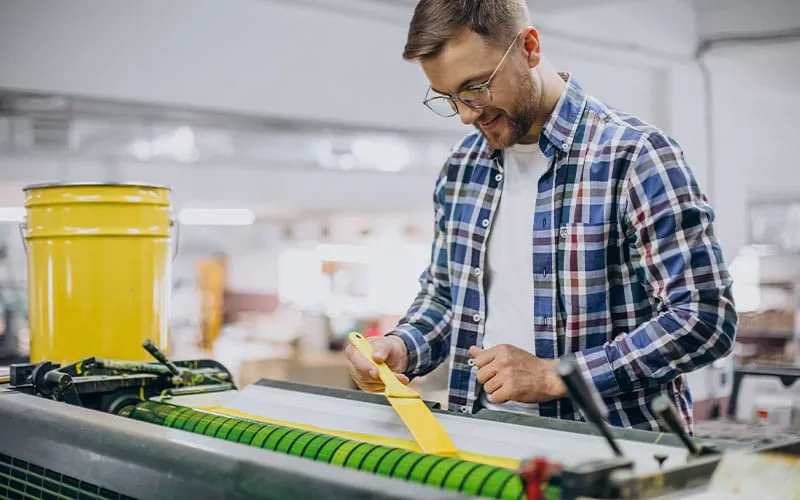
Dye sublimation printing uses heat to transfer dye into polyester fabric, creating bright, long-lasting prints. You will require a unique kind of dye to employ dye sublimation printing on shirt or any other clothing piece. When it touches the fabric, this liquid dries rapidly. You must next use heat and pressure to permanently transfer the design to the shirt. It’s commonly used for sportswear and activewear, making it a popular choice for brands.
However, it only works on light-colored, high-polyester garments. While sublimation offers excellent durability and color vibrancy, it’s not suitable for cotton fabrics. Clothing brands looking for high-quality, permanent prints with a soft touch often prefer this method. This procedure is not appropriate for cotton T-shirt manufacturers since it applies heat directly to the fabric. When using polyester, it works best.
Pros
- Unlimited colours are possible when utilising the screen and HTV technologies.
- Durable designs that resist flaking and fading
- The best option for continuous solutions
Cons
- Partial dyeing (folds, side seams); useless on dark textiles
- Only produces good results in polyester
DTG Printing
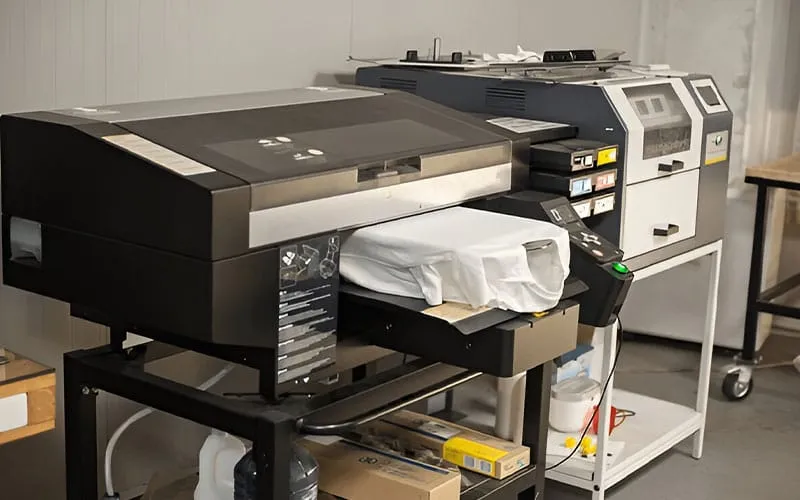
DTG printing is a modern technique that directly applies ink onto fabric using specialised inkjet printers. It works best on 100% cotton shirts, offering high-detail, full-colour prints without the need for screens or stencils. This method is ideal for small batches and custom designs since it requires minimal setup. However, DTG prints may fade over time if not properly cared for. While it provides a soft feel and vibrant colours, the process can be slow and costly for bulk production.
For clothing brands, DTG is a fantastic choice for detailed, multi-colour designs on demand. DTG printing is the best option because it allows for the incorporation of highly intricate designs. It’s important to remember that if you want the desired outcomes, you must utilise a high-quality printer. The overall resolution of the printed image can suffer if you don’t. Additionally, we recommend hand washing DTG shirts in cool water and letting them air dry. The image will fade considerably more quickly if you wash them in hotter water or dry them in the dryer.
Pros
- Being able to produce distinctive effects (gloss, smooth gradients)
- Resistance to wear: the pattern can withstand more than 60 washes
- Flexibility to alter layout for various copies; the greatest detail; silk screen printing can’t match it.
- Water-based, eco-friendly ink
Cons
- Significant investments are necessary due to the high cost of a textile printer.
- Only cotton materials produce decent results.
- There is a possibility that they may deteriorate over time, and posting picture restrictions may be enforced.
Plastisol Printing
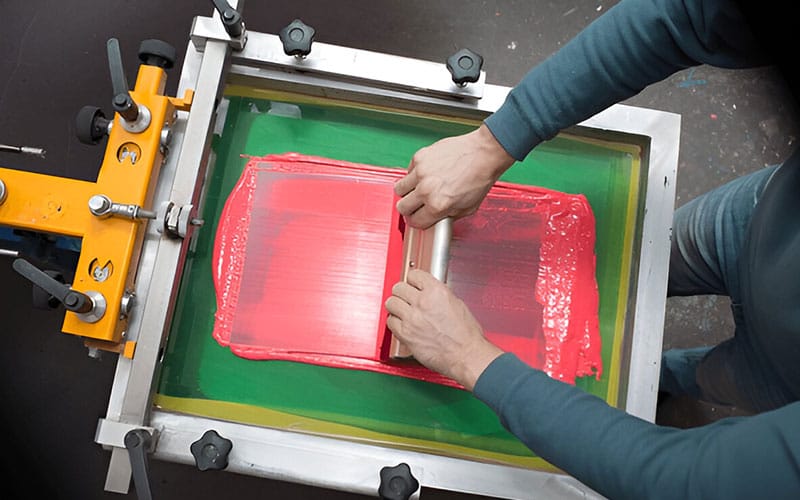
Today’s t-shirt designers are becoming more and more adept at using plastisol or indirect screen printing. Using the same kind of plastisol inks used in screen printing, this technique incorporates certain screen printing fundamentals. Plastisol transfer printing is similar to screen printing but uses heat-pressed ink transfers instead of direct application. Designs are first printed onto special transfer paper and then heat-pressed onto fabric.
This method provides the same vibrant and durable results as screen printing but allows for flexibility in production. It’s ideal for bulk orders and pre-made designs that can be applied on demand. Plastisol transfers work well on various fabrics, including cotton and polyester. Clothing brands benefit from its ability to produce professional-quality prints without the need for direct screen setups.
Pros
- High-quality, long-lasting designs are the advantages of this approach.
- Also, compared to conventional screen printing, there will be a lot less mess and setup time.
- To complete the shirt, you only need to execute the digital graphic design and have a heat press available if you outsource the printing of plastisol transfer sheets.
Cons
- Plastisol transfers can be tough to apply, which is one of this method’s drawbacks.
- If done incorrectly, the designs will subsequently peel and crack.
- Moreover, this approach performs admirably for small orders but is less effective for large ones.
Heat Transfer Vinyl Printing
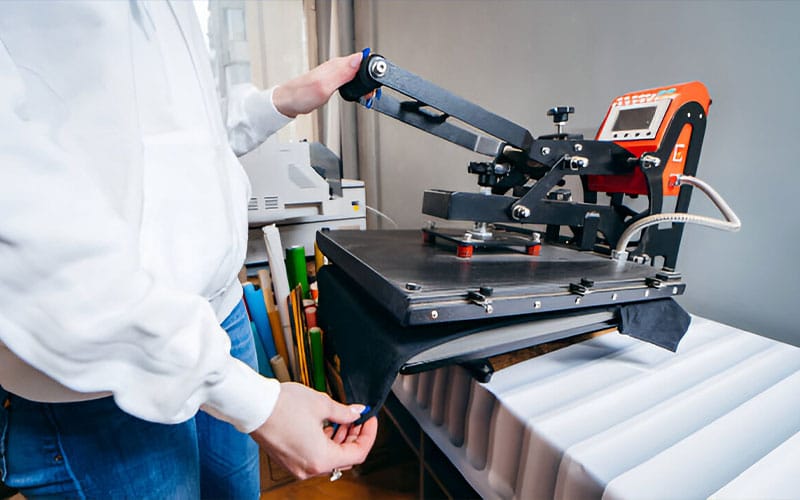
Heat Transfer Vinyl (HTV) printing involves cutting designs from colored vinyl sheets and applying them to fabric using heat and pressure. This method is commonly used for sports jerseys, custom names, and logos due to its durability and ability to handle multiple colours. HTV printing works well on cotton and polyester, providing a slightly raised texture.
While it’s excellent for small-scale customisation, it’s not ideal for bulk production due to the manual labour involved. For clothing brands, HTV is a reliable option for creating custom, high-quality sportswear and personalised apparel. You have a lot of versatility when using heat transfer vinyl for small orders or even just for usage at home. All you need is a cutting machine and an iron to get started making t-shirts for your child’s basketball team! Nothing more than a Cricut and a heat press is all you need to get a small business off the ground.
Pros
- Making an HTV design typically requires less time and effort than many other approaches, in addition to having a low start-up cost.
- Moreover, HTV designs outlast nearly all printed designs in terms of endurance.
Cons
- The disadvantage of employing HTV is that you have to cut out the HTV numerous times for each garment, which makes it ineffective for big orders
- Moreover, since a heat press is required to activate the vinyl’s adhesive, using HTV on a heat-sensitive cloth is not an option.
Reflect Printing
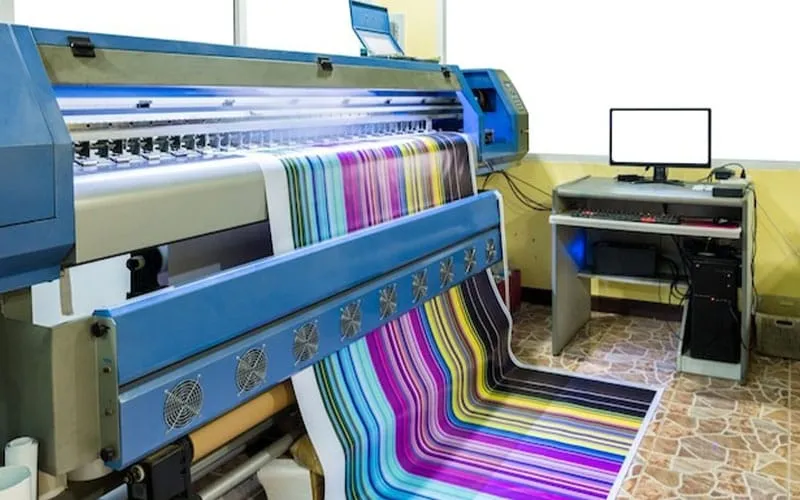
Reflective printing uses special reflective inks or materials that shine under light, making designs highly visible in low-light conditions. Sportswear, safety gear, and fashion streetwear commonly use this method. It enhances visibility for athletes, cyclists, and runners, making it a valuable feature for brands. Reflect prints work best on dark-colored garments and can be combined with other techniques for added effects. Though slightly pricier, it adds a premium touch to apparel, helping clothing brands stand out in both function and style.
Pros
- Ideal for safety gear, activewear, and nightwear
- Stays reflective even after multiple washes
- Unlike some printing methods, it stands out on black and dark-colored garments.
Cons
- Reflective inks and materials are pricier than standard inks.
- Usually available in silver, grey, or metallic shades
- The texture may feel slightly rougher compared to soft fabric prints.
Puff Printing
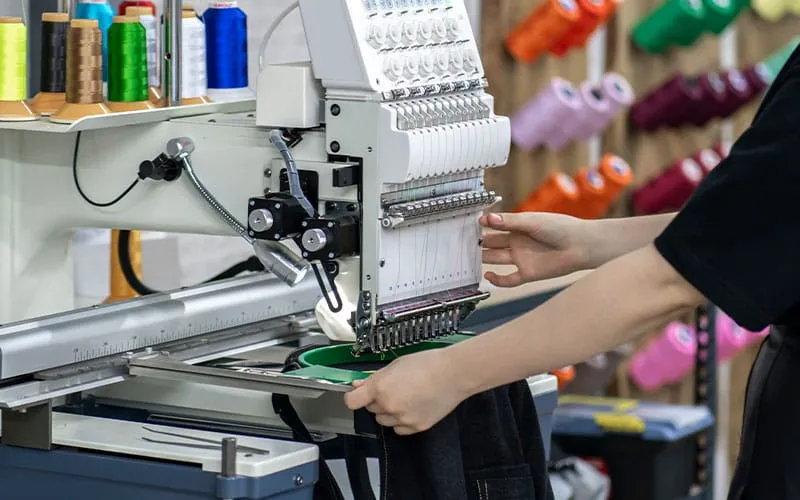
Puff printing is a variation of screen printing where a special additive is mixed with the ink to create a raised, 3D effect when heated. The result is a textured, soft-touch design that adds depth and uniqueness to garments. This method is popular for bold logos, streetwear, and statement pieces. Puff printing works best on cotton fabrics and is durable when properly cured. Clothing brands use it to create eye-catching designs with a tactile feel. However, due to its raised texture, it’s not suitable for highly detailed images but excels in bold, simple graphics.
Pros
- Creates a raised, soft-touch design that adds depth
- Durable when properly cured, maintaining its shape after washing
- Gives a premium look, ideal for streetwear and bold branding
Cons
- Not suitable for intricate designs or small text
- Needs proper curing and heat control to achieve the puff effect
- The special ink and printing process make the product pricier.
Glow-in-the-Dark Printing
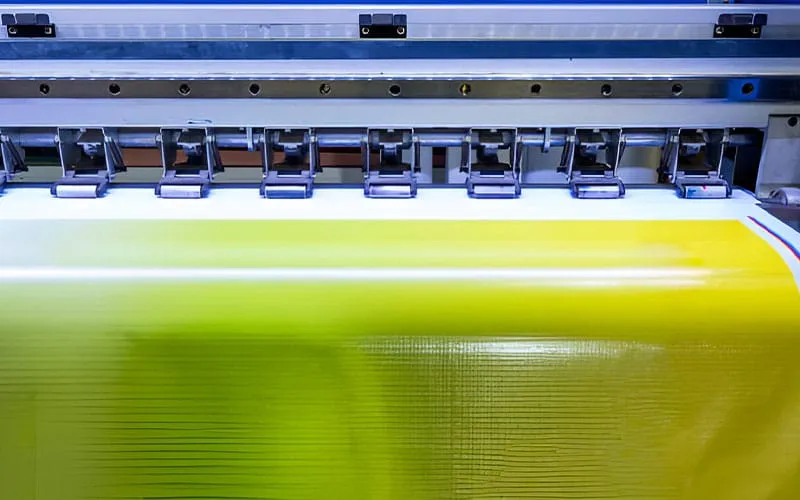
Glow-in-the-dark printing uses phosphorescent inks that absorb light and emit a glow in the dark. This technique is often used for fun, eye-catching designs in streetwear, event merchandise, and nighttime sportswear. It works well on cotton and polyester and can be layered over screen prints for added effects. The glow effect varies depending on the ink quality and the amount of light absorbed. Clothing brands like Foxedo Sports can use this technique to create unique, attention-grabbing apparel that stands out in low-light conditions. It’s a creative option for brands looking to add a cool, functional twist to their designs.
Pros
- It adds a fun, glowing effect that stands out in low-light conditions.
- Perfect for night events, streetwear, and promotional clothing
- It works well on cotton, polyester, and blends.
Cons
- It requires exposure to light to recharge and fades over time.
- More expensive than standard printing methods
- Mostly available in green, blue, or yellow glow shades
Selecting a T-Shirt Printing Method: Important Considerations
Now that you are aware of the various methods, you can choose the one that will work best for you while printing t-shirts. To accomplish your goals, you can select a technique that will satisfy your requirements and offer the highest quality according to your criteria. The following are some elements that could influence your choice:
Compatible with Various Fabrics
Not every technique is appropriate for every type of fabric, and each process has its best types of shirt printing. For example, dye sublimation is not the best option for thick cotton T-shirts since it can damage them.
Cost vs. Production Capacity

Printing prices might vary significantly. Generally speaking, printing speed raises the cost of printing equipment. When deciding to begin, carefully consider the cost and production speed. It would be advisable to expedite the printing of hundreds of shirts if a quick turnaround is required.
FAQs
Which printing method is best for sportswear?
For Foxedo Sports and other clothing brands, dye sublimation is best for polyester activewear, while heat transfer vinyl (HTV) is ideal for custom names and numbers.
What is the most durable printing method?
Screen printing and dye sublimation offer long-lasting, high-quality results, making them ideal for Foxedo Sports’ performance apparel.
Which printing method is best for small orders or custom names?
DTG printing and HTV are perfect for clothing manufacturers handling small batches and custom sportswear for Foxedo Sports.
Can I print on both cotton and polyester fabrics?
Yes, but Foxedo Sports should use DTG for cotton garments and sublimation for polyester-based sportswear.
What is the difference between sublimation and screen printing?
Sublimation permanently dyes polyester fabric, while screen printing applies ink on the fabric surface, making it versatile for Foxedo Sports’ bulk orders.
Final Words
The information in this article is intended to help you understand how various shirt printing types work. If you’re considering how to start a t-shirt business, it’s so simple and satisfying with print-on-demand, after all. If you come up with original designs or print-for-business t-shirt design ideas, t-shirt printing can be a successful business.
There are different types of T-shirt printing methods, and the technique you choose is largely dependent on your needs and chosen printing technique. By understanding these methods, clothing brands like Foxedo Sports can ensure quality and durability in their apparel. Invest in the right printing type and make your brand stand out in the competitive fashion industry.