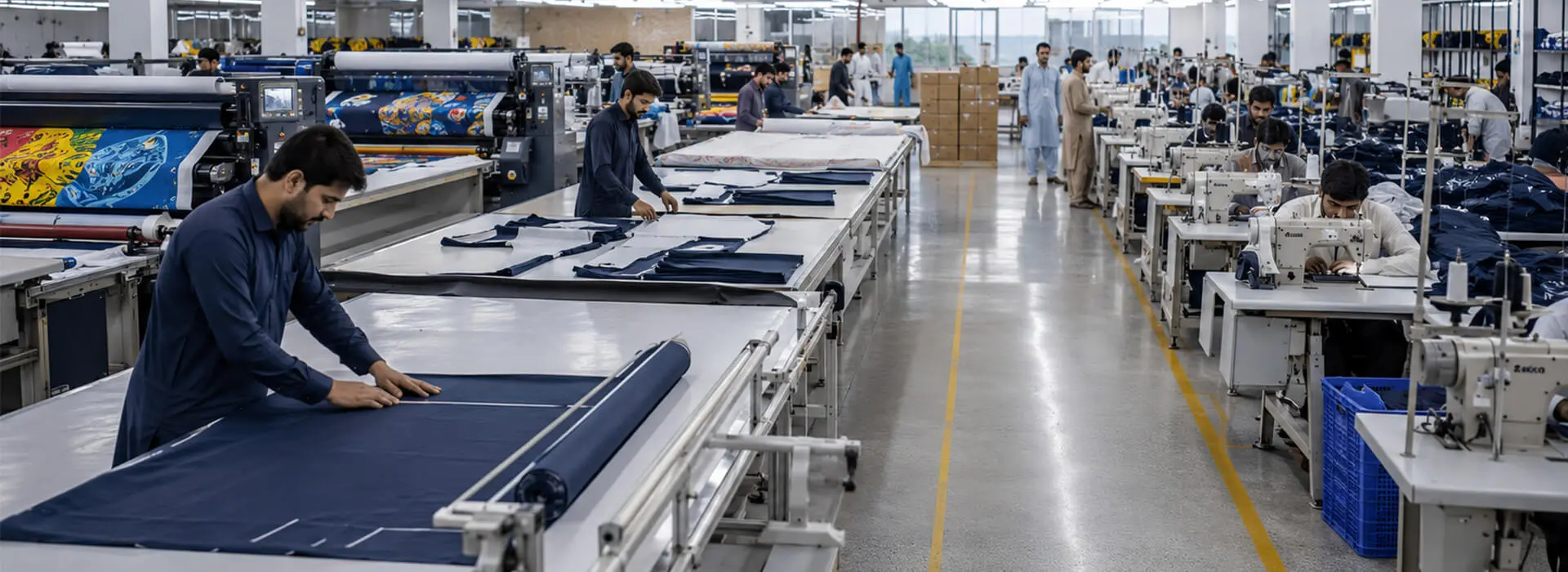
Many sportswear brands struggle with the same problem: production looks smooth in the beginning, but as order volumes increase, delays, inconsistent quality, and communication problems start appearing.
In many cases, the issue is not the product design or the brand itself; it is choosing a manufacturing partner that cannot scale properly.
The reality is that not every sportswear factory operates the same way.
1. Understand Your Brand Requirements First
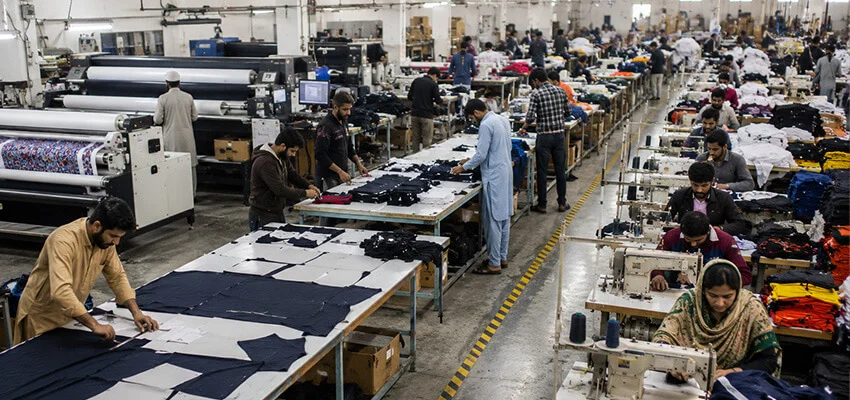
2. Check Whether Production Is Truly In-House
- Sublimation printing
- Fabric sourcing
- Cutting
- Stitching
- Finishing
Some factories only handle stitching while outsourcing sublimation to third parties. Many buyers never realize this until they face delays or quality inconsistencies.
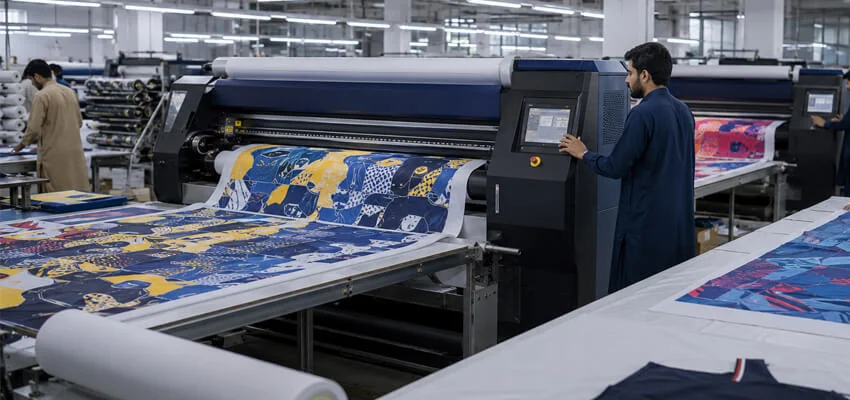
Many brands only discover these problems when they suddenly need faster production or consistent repeat orders. Delays become common because outsourced processes depend on third-party schedules, not the factory itself.
- urgent production runs,
- tournament deadlines,
- repeat team orders,
- or seasonal demand spikes.
* Is printing done in-house?
* How much production control do they actually have?
* Can they handle emergency or rush orders?
3. Evaluate Fabric Quality and Fabric Development
- GSM levels vary
- Fabric blends change
- Texture differs
- Performance quality changes
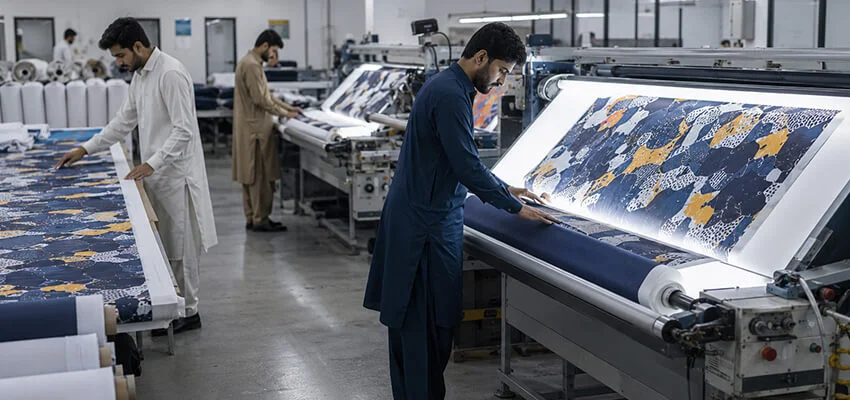
- Consistent GSM
- Consistent texture
- Better moisture performance
- Long-term repeat quality
4. Always Test Samples Before Finalizing
- Does the fabric feel premium?
- Is the GSM consistent?
- Does it feel durable?
- Are seams clean and strong?
- Does stitching open after stretching?
- Are finishing details professional?
- Wash resistance
- Color durability
- Fade resistance
- Print sharpness
5. Analyze Production Capacity
* How many clients they already handle
* Whether they can realistically fit your production into their schedule
- Expansion capability
- Additional manpower options
- Flexible production systems
- Space for future growth
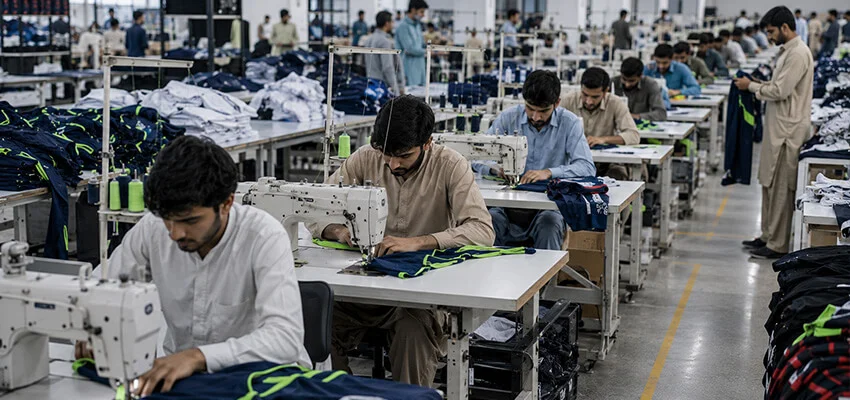
* Manpower
* Machinery
* Internal systems
6. Established Brands Should Think Long-Term
- 10,000 pieces monthly
- 30,000 pieces monthly
- 50,000 pieces monthly
* What turnaround times can they maintain?
* Can they maintain the same quality at higher volumes?
* Communication
* Delivery timelines
* Design accuracy
* Production management
* Production management became difficult
* Client satisfaction started dropping
* The brand risked damaging long-term customer relationships
* Can urgent orders be handled?
* Is there enough manpower?
* Are systems already in place for growth?
* Can quality remain consistent during expansion?
* Backup production planning
* Scalable production systems
* Extra machine capacity for high-demand periods
7. Design Support and Replication Accuracy Matter
* Replicate existing designs accurately
* Maintain consistent sizing and color matching
* Handle revisions quickly
8. Why Scalability Is Essential
* Tournament seasons
* Teamwear deadlines
* Rush brand launches
Warning Signs to Watch For
- Unrealistically low pricing
- No clear production timeline
- No sample testing process
- Outsourced production without transparency
- Inconsistent communication
- No clear scalability plan
9. Quality Control Is One of the Most Important Factors
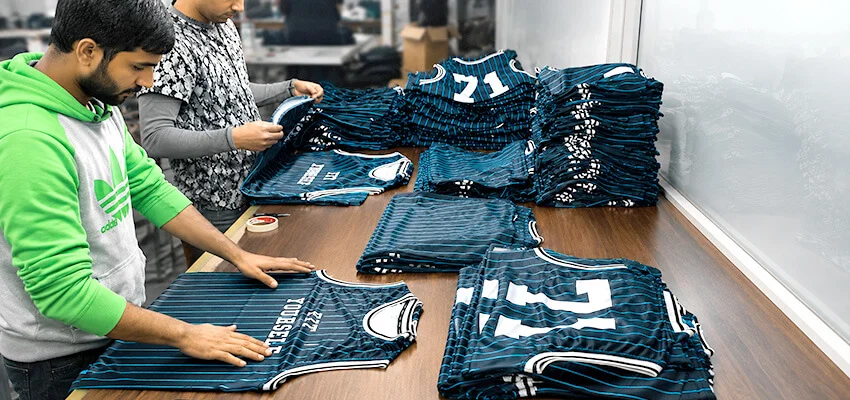
Quality control is what protects:
* Your customer satisfaction
* Your brand reputation
* Your repeat business
Fabric Inspection Matters More Than Most Brands Realize
A manufacturer should be able to:
* Check fabric consistency
* Detect fabric defects
* Maintain approved quality standards
Stitching Inspection Is Equally Important
* Missing stitches
* Weak joining points
* Uneven finishing
* Product returns
* Damaged brand trust
Printing and Sublimation Accuracy Must Be Verified
* Color accuracy
* Sublimation consistency
* Spotting or printing defects
* Missing print areas
* Shades change
* Printing contains spots or gaps
* Parts of the print may be missing completely
Name and Number Verification Is Critical in Sportswear
* Incorrect player names
* Wrong sizing labels
* Incorrect customization placements
* Financial loss
* Delays
* Customer dissatisfaction
* Correct numbers
* Proper placements
* Accurate sizing
* Clean finishing
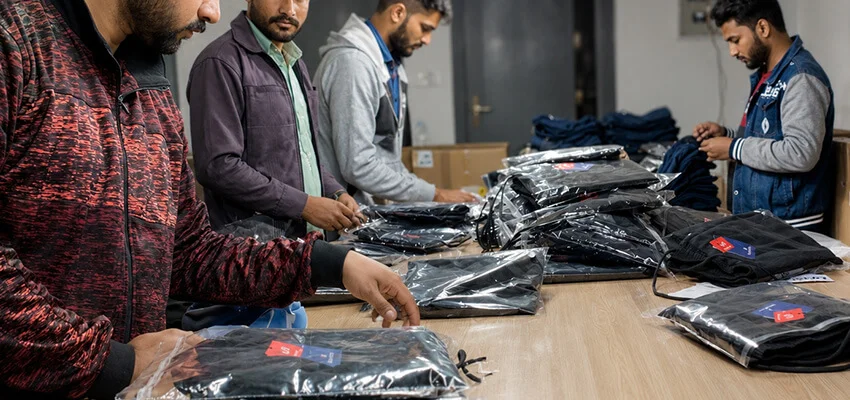
Why Professional Quality Control Systems Matter
- Fabric inspection
- Cutting inspection
- Printing verification
- Stitching inspection
- Final packing inspection
Final Thoughts
* Reliable timelines
* In-house production control
* Scalability
* Strong communication
* Professional support


