When choosing fabrics for clothing, home décor, or accessories, the options can feel endless. One fabric that often piques my curiosity is acrylic. Known for its versatility and ease of care, acrylic fabric has become increasingly popular. But what exactly is acrylic fabric, and how does it differ from other materials? In this beginner’s guide, we’ll dive deep into everything you need to know about acrylic fabric—exploring its properties, uses, care tips, and much more. Whether you’re a fashion enthusiast, a DIY crafter, or curious about fabrics, this guide is for you! Get ready to discover how acrylic fabric can fit into your creative projects and lifestyle.
What is Acrylic Fabric?
Acrylic fabric is a synthetic textile made from polymer fibers. It was first developed in the early 20th century as an alternative to wool, aiming to provide similar warmth and softness without the high cost or maintenance. Acrylic fibers are produced through a process known as polymerization, where acrylonitrile molecules are transformed into long-chain polymers. This production method allows manufacturers to create a wide variety of textures and finishes, ranging from smooth and silky to plush and textured.
Characteristics of Acrylic Fabric
Acrylic fabric boasts several key characteristics that make it a popular choice:
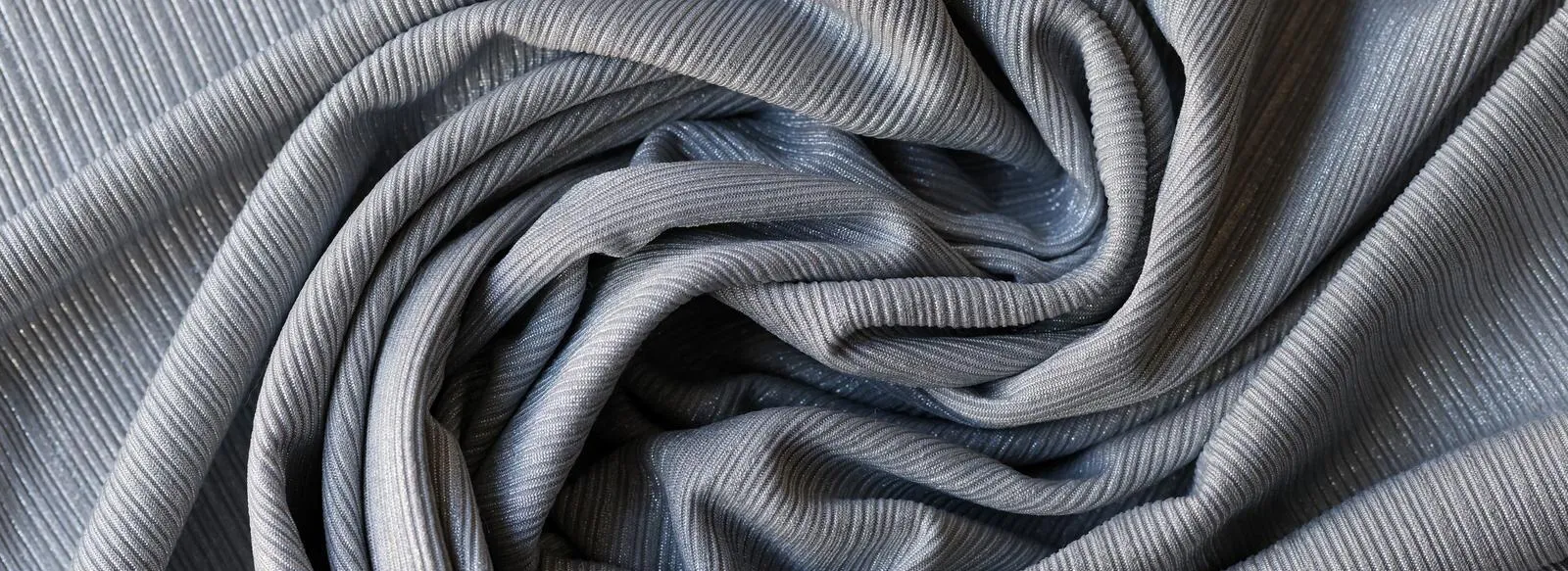
- Softness and Warmth: Despite being synthetic, acrylic can feel soft and warm, similar to natural wool. This makes it a great option for cold-weather clothing like sweaters and scarves.
- Durability: Acrylic fibers are strong and resistant to wear and tear, making them suitable for everyday use.
- Color Retention: Acrylic fabrics maintain their color well even after repeated washing, which is a big advantage over some other synthetic fabrics.
- Lightweight: It is often lighter than wool and other natural fibers, making it ideal for layering without adding bulk.
- Easy Care: Acrylic is easy to clean and maintain, as it is resistant to shrinking and wrinkling, unlike natural fibers like cotton or wool.
Acrylic Fabric Material
What is Acrylic Fabric made of?
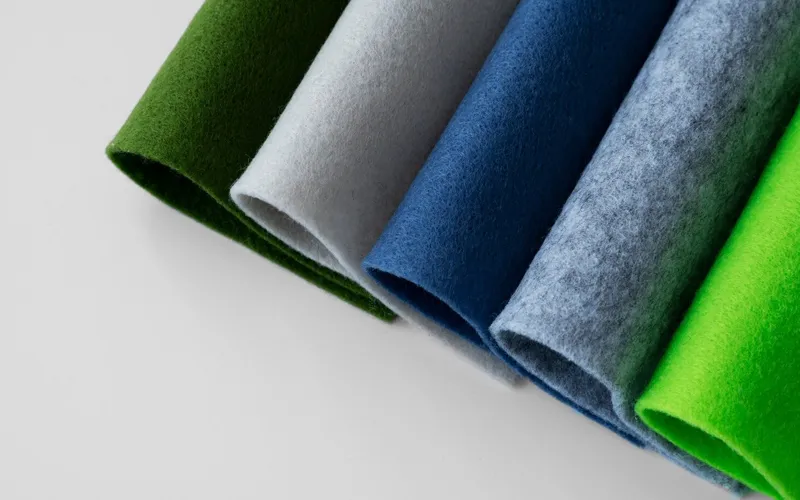
Acrylic fabric is made from a synthetic polymer known as polyacrylonitrile. This polymer is produced through a process called extrusion, where a liquid mixture of chemicals is forced through tiny holes, creating long, continuous fibers. These fibers are then spun into yarn and woven or knitted into fabric. The end product can vary widely in terms of texture, from smooth and shiny to fluffy and fuzzy, depending on the intended use.
Is Acrylic Fabric Toxic?
One common concern with synthetic fabrics like acrylic is their safety, especially regarding potential toxicity. The production of acrylic involves chemicals, but the final fabric is usually treated to reduce any harmful substances. The American Society for Testing and Materials (ASTM) has established safety standards for synthetic fibers, ensuring they meet acceptable limits for substances like formaldehyde. Therefore, when used appropriately, acrylic fabric is generally safe for use in clothing and home textiles.
Acrylic Fabric Uses

Acrylic Fabric in Fashion
Acrylic fabric is a favorite choice in the fashion industry for creating various garments.
- Sweaters and Scarves: Its warmth and softness make it a top choice for cold-weather wear.
- Tops and Dresses: Acrylic’s lightweight nature and durability make it perfect for everyday wear.
- Sportswear: Due to its moisture-wicking properties, it’s often used in sportswear jersey and activewear to keep athletes dry during workouts.
- Outerwear: Acrylic fabric can mimic the look and feel of wool, making it a cost-effective option for coats and jackets.
Acrylic Fabric in Home Décor
Acrylic fabric is also commonly used in home décor due to its easy maintenance and variety of textures.
- Cushions and Throws: Its softness and color retention make it perfect for adding warmth and comfort to living spaces.
- Curtains and Drapes: Acrylic can be a practical choice for window treatments as it is resistant to fading and easy to clean.
- Rugs and Carpets: Its durability and color retention make acrylic a good option for floor coverings.
Acrylic Fur Fabric
One of the popular variations of acrylic fabric is acrylic fur, often used in coats, blankets, and accessories. Acrylic fur mimics the look and feel of real fur but without the ethical concerns or high cost associated with natural furs. It’s lightweight, easy to care for, and cruelty-free, making it a win-win for those who love the look of fur but prefer animal-friendly alternatives.
Can You Use Acrylic on Fabric?
Does Acrylic Fabric Shrink?
Acrylic fabric is generally resistant to shrinking, which is one of its major advantages. However, to maintain its shape and longevity, it’s essential to follow proper care instructions. Acrylic fabrics can tolerate warm water washing and gentle tumble drying without much shrinkage. Avoid high heat settings, as they can damage the fabric and cause it to melt or warp.
Fabric Acrylic Colour
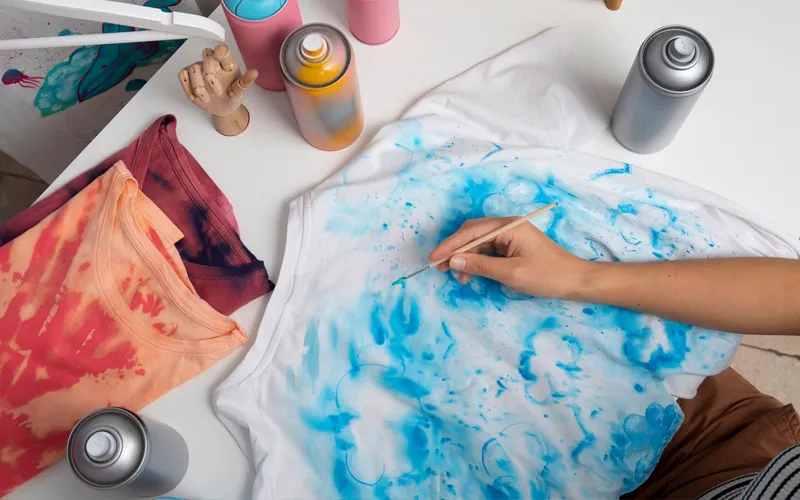
Acrylic fabric holds dyes well, which means you can experiment with different colors and patterns. Whether you’re customizing a garment or crafting a unique piece, you can easily find acrylic fabric dye options to match your vision. If you’re looking to create custom designs or personalize clothing, acrylic fabric dye is a great choice. Just remember to follow the dye manufacturer’s instructions for the best results.
Acrylic Fabric Care
How Do You Wash Acrylic Fabric?
Acrylic fabric is low maintenance, but it still requires some attention to maintain its quality.
- Washing: Hand wash in cold water or use a gentle cycle on the washing machine with mild detergent. Avoid bleach, as it can damage the fibers.
- Drying: Tumble dry on a low or gentle setting. Avoid using high heat, which can cause the fabric to shrink or warp.
- Storage: Keep acrylic fabrics out of direct sunlight to prevent fading. If storing items for a long period, consider using garment bags to protect them from dust and moisture.
How to Dye Acrylic Fabric?
Dyeing acrylic fabric can be done using special dyes designed for synthetic fibers. Here’s a simple guide to dyeing acrylic fabric:
- Prepare the Fabric: Clean the fabric thoroughly to remove any dirt or residues.
- Choose the Right Dye: Select an acrylic fabric dye that is compatible with synthetic fibers.
- Dye Application: Apply the dye according to the instructions on the dye package. It’s usually done by soaking the fabric in a dye bath.
- Rinse and Dry: Rinse the fabric thoroughly until the water runs clear. Dry it as per the care instructions above.
Acrylic Fabric vs. Polyester
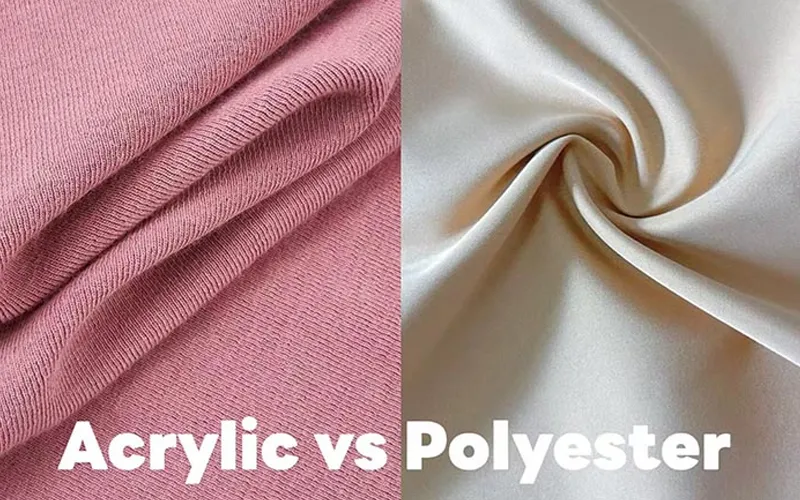
Polyester and acrylic are both synthetic fabrics, but they have some distinct differences:
- Feel and Comfort: Acrylic is often softer and warmer than polyester, which is generally stiffer and more durable.
- Durability: Both fabrics are durable, but acrylic tends to maintain its shape better.
- Care: Both polyester and acrylic are easy to care for, but acrylic is slightly more resistant to shrinking and wrinkling than polyester.
- Environmental Impact: Acrylic production involves more chemicals than polyester, making it less eco-friendly.
Is Acrylic Fabric Good?
Acrylic fabric has its pros and cons, but it’s generally considered a good fabric for certain uses. It offers warmth, durability, and color retention, making it suitable for everything from sweaters to home décor items. However, if you have sensitivities or concerns about synthetic fibers, you might want to test them out first or opt for natural alternatives when possible.
Acrylic Fabric Medium
For artists and crafters, the acrylic medium can be used to create unique textures and effects on fabric. Whether you’re painting on a canvas bag or adding designs to a shirt, the acrylic medium helps achieve the desired finish. It enhances the adhesion and flexibility of acrylic paints on fabric, allowing for creative designs and longer-lasting results.
Conclusion
Acrylic fabric offers a blend of warmth, durability, and easy care that makes it a versatile choice for various applications. From fashion to home décor, its low maintenance and resistance to fading and shrinking make it a popular option. Whether you’re dyeing, sewing, or simply enjoying the comfort of acrylic clothing, understanding its properties will help you make the best choices. Now that you know more about acrylic fabric, you can confidently choose it for your next project! Ready to explore more about fabrics? Foxedo Sports is the best clothing manufacturer, offering top-quality acrylic and other fabrics tailored to your needs.