
Quality control is not a final inspection performed before shipment. Product consistency is achieved through a structured quality control process that monitors fabric selection, production, measurements, customization, and finishing throughout manufacturing.
Each production stage presents different risks. Identifying and correcting issues early helps maintain specifications, reduce production errors, and improve consistency across every order.
Quality control begins before garments enter production.
Before materials are approved for manufacturing, fabrics are evaluated for consistency, construction quality, and compliance with required specifications established during product development.
Inspection typically focuses on:
• Fabric consistency
• GSM accuracy
• Color consistency
• Surface quality
• Knitting quality
• Structural integrity
• Visible defects and imperfections
Approving materials before production helps reduce avoidable manufacturing issues later in the process.
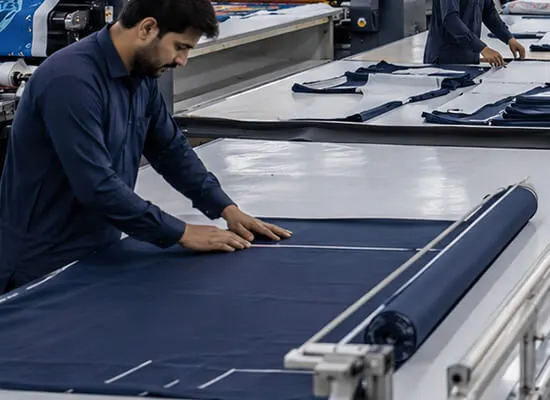
Accurate cutting is essential for maintaining garment specifications.
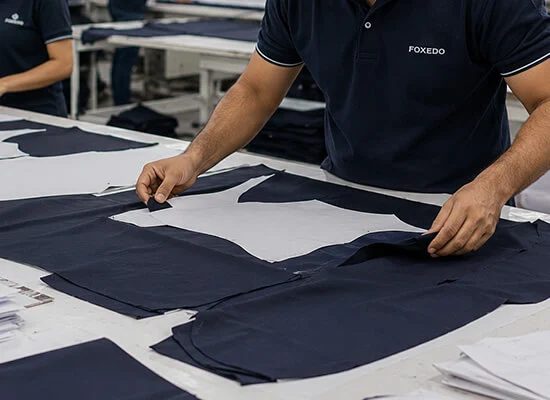
Patterns, markers, fabric layouts, and cut panels are reviewed to ensure requirements are produced according to approved measurements and grading developed during garment construction planning.
Verification typically includes:
• Pattern accuracy
• Panel dimensions
• Shape consistency
• Alignment accuracy
• Component matching
• Size grading verification
Issues identified during this stage can be corrected before assembly begins.
Waiting until production is complete often allows minor issues to become larger manufacturing problems.
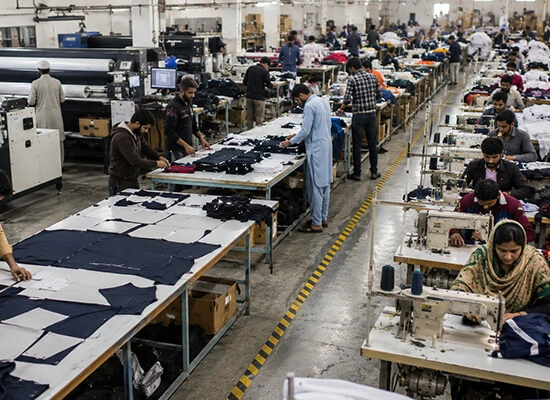
For this reason, inspections are performed throughout production while garments are being assembled.
In-process inspections verify that assembly follows approved construction methods and production standards.
Areas commonly monitored include:
• Stitch quality
• Thread quality
• Seam construction
• Stitch density
• Seam strength
• Construction consistency
• Manufacturing accuracy
Continuous monitoring allows corrective action before larger production quantities are affected.
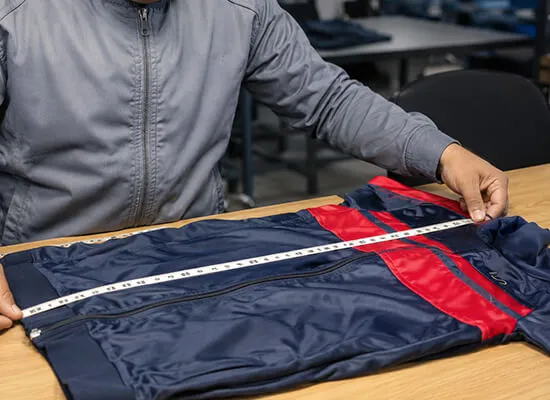
Consistent sizing is one of the most important requirements in garment manufacturing.
Finished garments are checked against approved specifications to verify measurements remain within acceptable tolerances established during pattern development and grading.
Verification typically includes:
• Size accuracy
• Specification compliance
• Grading consistency
• Measurement tolerances
• Order requirements
This process becomes particularly important for repeat production programs where consistency is expected across multiple orders.
For customized garments, branding elements are reviewed independently from garment construction.
Inspection may include:
• Pantone color accuracy
• Sublimation print quality
• Logo placement
• Artwork consistency
• Name and number accuracy
• Branding specifications
Branded garments must also match approved private label specifications and customization requirements.The objective is to ensure that approved artwork and production results remain aligned throughout the order.
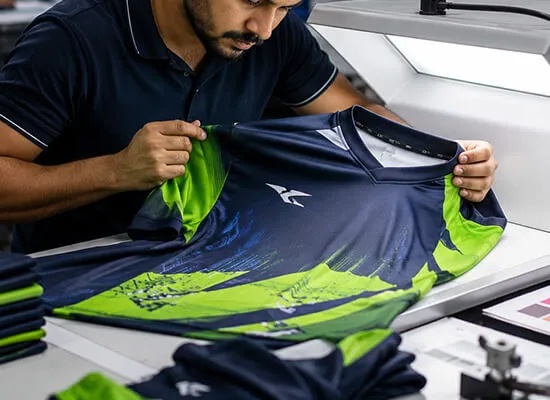
Final inspection ensures products align with approved sportswear manufacturing standards before shipment preparation begins.
This stage verifies that construction, measurements, customization, and finishing meet approved production requirements before shipment preparation begins.
Final inspection typically includes:
• Construction quality
• Measurement verification
• Branding compliance
• Finishing quality
• Product presentation
Any issues identified during final inspection can be corrected before packing.
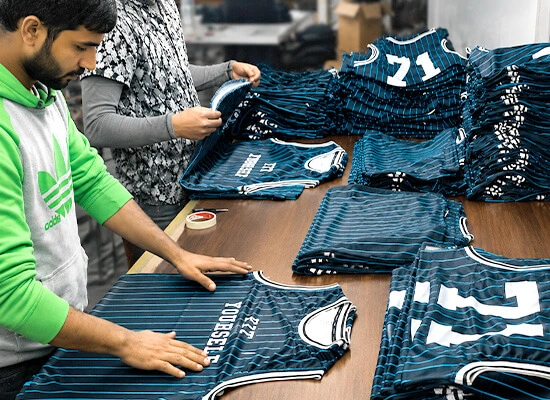
Quality control continues beyond production and supports long-term manufacturing reliability for repeat OEM and private label production programs. Before shipment, orders are verified to ensure products are packed according to approved specifications and shipping requirements.
Verification typically includes:
• Correct quantities
• Correct sizes
• Correct names and numbers
• Product labeling
• Packaging accuracy
• Shipping documentation
This final review helps reduce fulfillment errors and improves order accuracy.
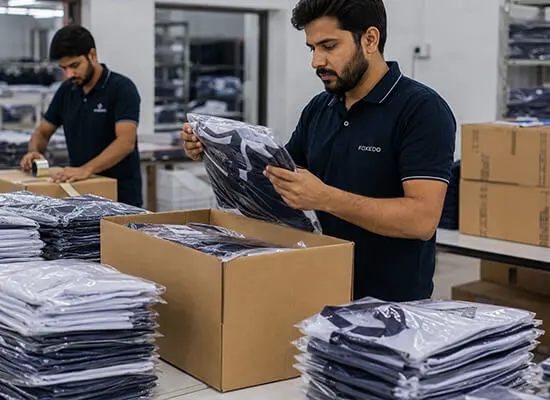
Quality control is not only about identifying defects. It also helps maintain consistency across future production runs.
For OEM manufacturing programs, private label projects, and repeat production orders, documented inspection procedures help ensure approved specifications remain consistent over time.
Whether developing a new product, managing repeat production, or scaling an existing program, manufacturing consistency depends on the systems used throughout production.
Understanding how quality is controlled at each stage helps improve product consistency, reduce production errors, and support more reliable manufacturing outcomes.
Strong quality control begins with proper fabric selection, accurate garment construction, and structured product development before production begins.
GET A QUOTE