
The performance of a garment begins with the fabric. Different sports, environments, and performance requirements demand different fabric constructions, weights, and characteristics.
No single fabric is suitable for every application. A fabric that performs exceptionally well in one product category may not be the best choice for another.
Fabric selection should support the intended use of the garment, balancing comfort, durability, breathability, moisture management, appearance, and quality control requirements.
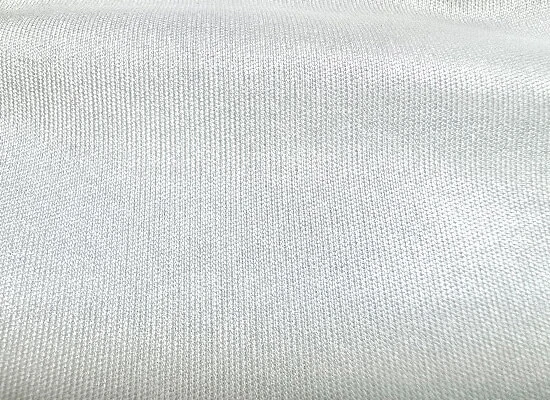
Interlock Polyester remains one of the most widely used fabrics in performance sportswear.
Its smooth surface provides excellent print clarity and color reproduction, making it particularly suitable for sublimation printing. In addition to its appearance, the fabric offers moisture management, quick-drying performance, and long-term durability.
Because of this balance of performance and versatility, Interlock Polyester is commonly used for:
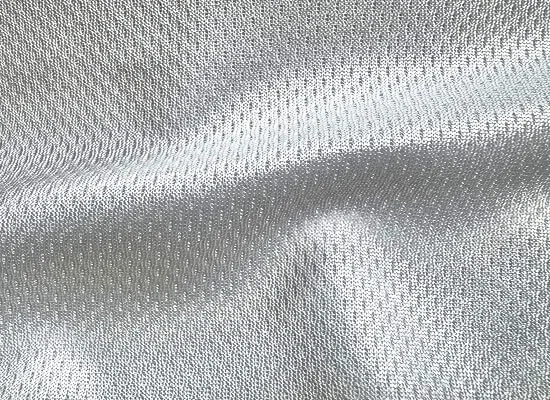
Bird Eye Mesh is primarily selected when additional airflow and ventilation are required.
Its knit structure creates small ventilation channels that help improve airflow throughout the garment. This makes it particularly suitable for applications where temperature regulation and comfort are important considerations.
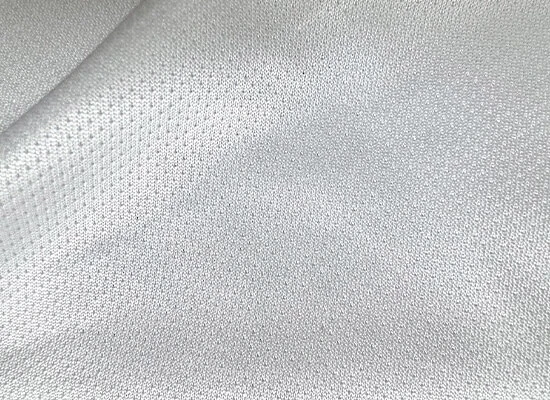
Pin Dot Mesh offers many of the same benefits as Bird Eye Mesh while providing a different surface structure and ventilation pattern.
The fabric remains lightweight, breathable, and quick drying, making it suitable for products where temperature control and airflow are important performance considerations.
The decision between Bird Eye Mesh and Pin Dot Mesh is often based on product requirements, fabric preference, and overall garment design.
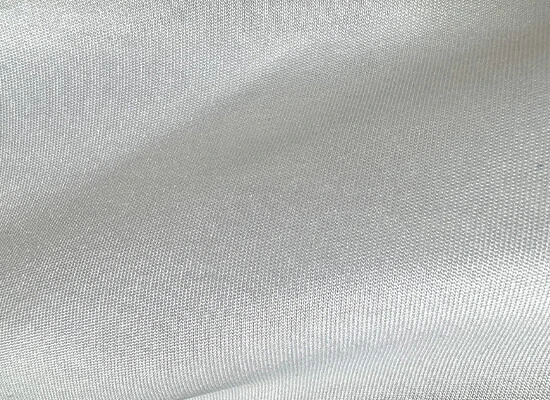
Some products require greater flexibility and freedom of movement than traditional polyester fabrics can provide.
Lycra blend fabrics combine polyester with elastane to create additional stretch and recovery. The objective is not simply comfort, but improved mobility during movement while maintaining garment shape over time.
Where unrestricted movement is a priority, Lycra blends often provide advantages over standard polyester constructions.
Micro Stretch & Memory fabrics are widely used for outerwear products requiring durability, lightweight performance, and weather resistance.
Polyester fleece provides insulation and warmth while maintaining durability and comfort.
Lightweight fabrics are commonly used for sports involving continuous movement and endurance.
Applications may include:
These fabrics provide additional structure and durability while still supporting athletic movement.
The objective is typically warmth retention and structural stability rather than weight reduction.
One of the most common misconceptions in garment manufacturing is the belief that there is a single best sportswear fabric.
In reality, fabric selection depends on how the product will be used.
A soccer uniform, corporate polo shirt, baseball jersey, compression garment, and training hoodie all have different performance requirements. As a result, they often require different fabric constructions, weights, and characteristics.
The most effective fabric is not the one with the highest specification, but the one that best supports the intended application.
Fabric decisions made during product development influence performance, comfort, durability, customization compatibility, and manufacturing outcomes. Material selection is also an important part of successful private label apparel manufacturing programs.
Selecting materials before production begins helps ensure that the finished product aligns with its intended purpose and performance requirements.
Understanding how different fabrics behave allows manufacturers to make more informed decisions during product development and production planning.
Fabric selection is one of the most important decisions made during product development. Matching the right material to the intended application helps support product performance, manufacturing consistency, and long-term durability.
GET A QUOTE